Short Introduction
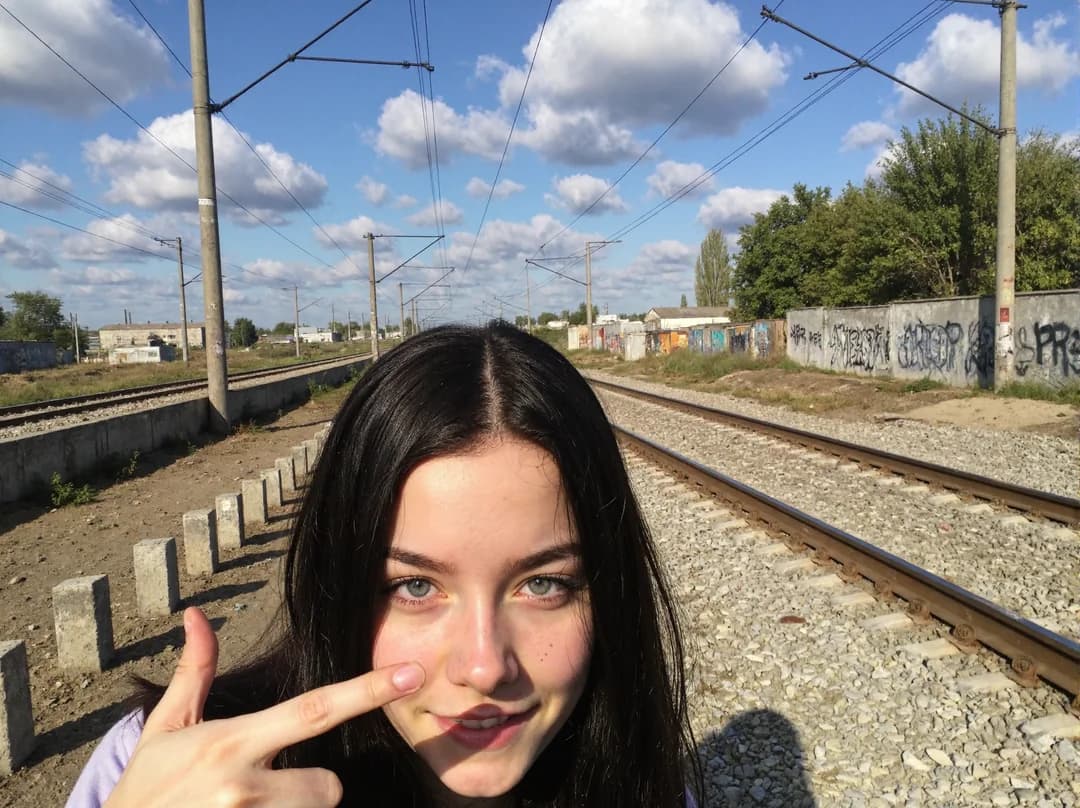
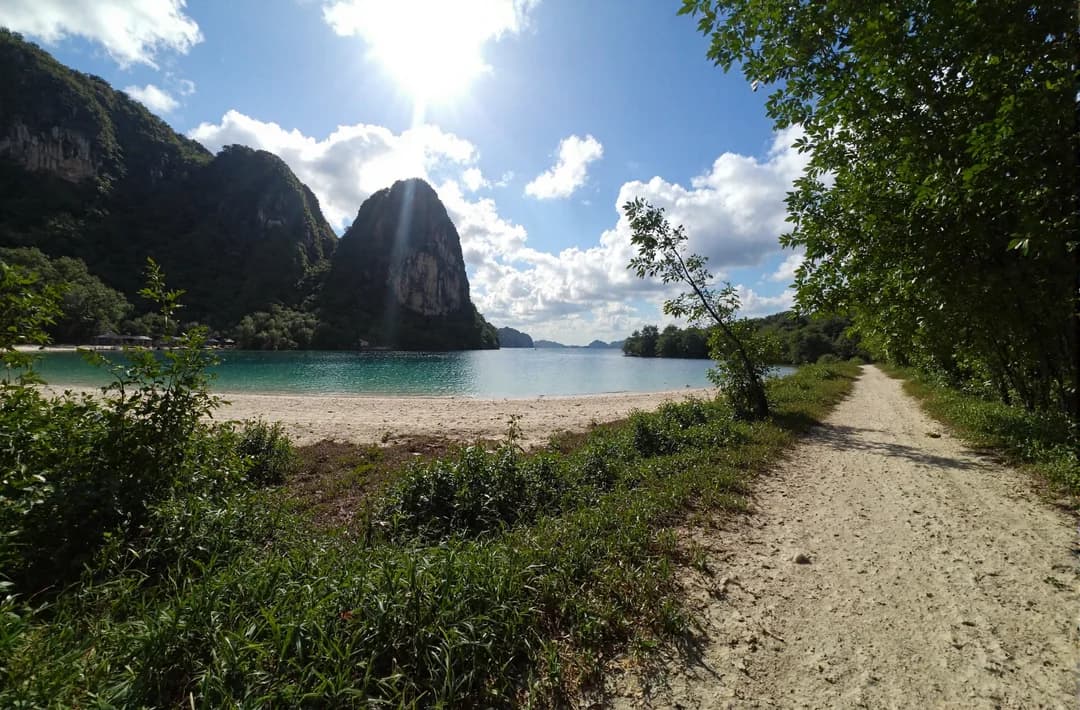
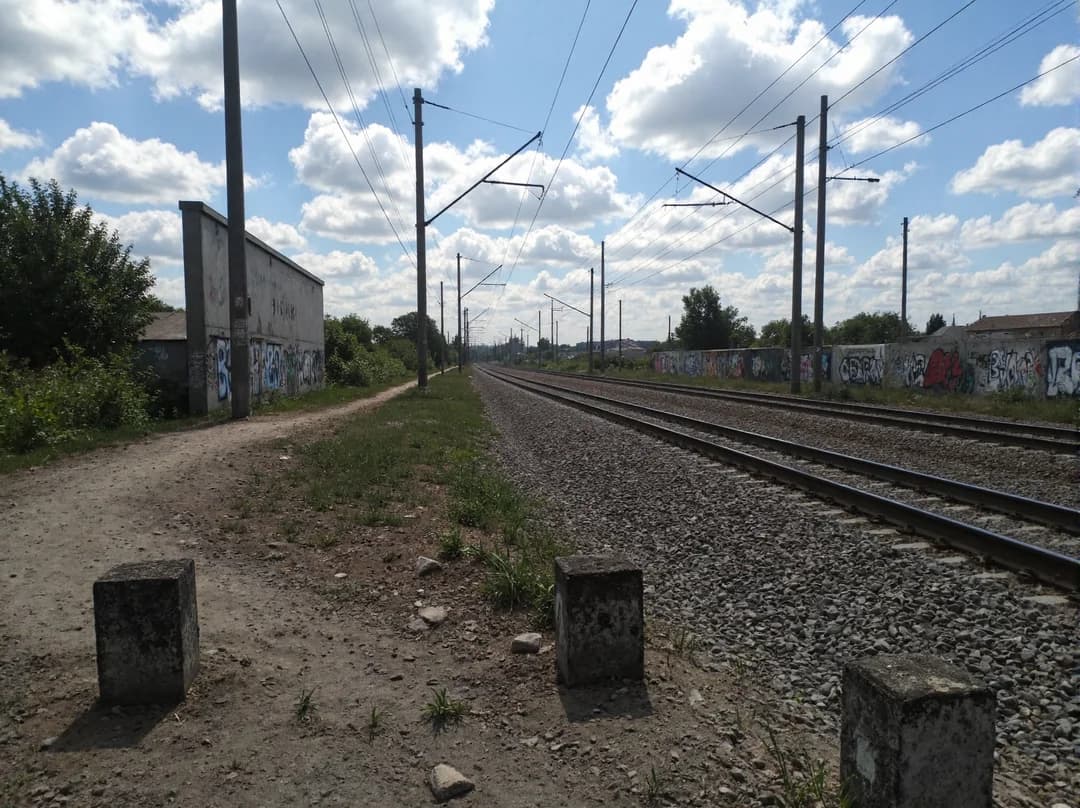
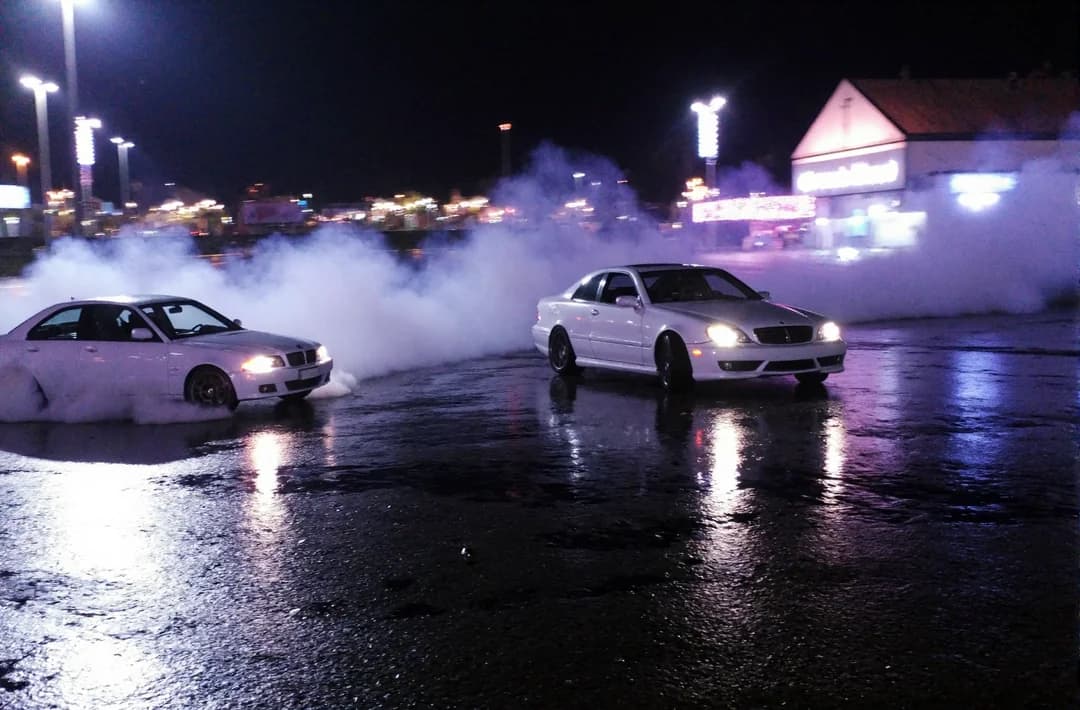
The “UltraReal – Flux.dev LoRA” is a visually rich, highly realistic AI model designed to simulate the look of photos taken with older smartphones and mid-range DSLR cameras. This experimental LoRA is not about clean cinematic beauty—it’s about nostalgia, punchy lighting, and gritty realism. Built from a personal dataset of low-budget devices like the Lenovo K910, Nikon D3300, and iPhone 3G, it offers an authentic early 2000s–2010s aesthetic ideal for AI artists wanting lifelike, imperfect, and emotionally resonant generations.
Simplified One-Line Flowchart
Train with mixed old-device dataset ➔ Use Flux.dev LoRA + creator’s checkpoint ➔ Prompt with detailed lighting/shadow instructions ➔ Get cinematic realism without artificial bokeh
Easy Step-by-Step Method
Step 1: Download the UltraReal LoRA Model
- https://civitai.com/models/1662740?modelVersionId=1881976
- https://civitai.com/models/796382?modelVersionId=940466
- This LoRA model was trained using real-life photos with strong lighting and shadows, emphasizing natural imperfections and visual grit.
Step 2: Use With Custom Checkpoint (Recommended)
- The creator uses a custom Flux-compatible checkpoint for optimal fidelity. This enhances contrast, lighting behavior, and texture realism when paired with this LoRA.
Step 3: Choose Your Interface
- Supported environments:
- Forge: Preferred by many users for speed and modular control.
- ComfyUI: Excellent for structured workflows.
- A1111 (AUTOMATIC1111): Also compatible but may require tuning.
Step 4: Structure Your Prompts with Detail
Prompts must include elements like:
- Lighting type (sunlight, mist, bloom)
- Environmental details (urban, industrial, nature)
- Reflections, shadows, camera effects (e.g., CCD bloom, chromatic aberration)
Prompt Example 1:
- “Serene lake landscape at dawn, mist over water, golden light piercing tree branches, floating reflective cubes casting shadows, vintage look, low contrast”
Prompt Example 2:
- “Close-up portrait of teenage girl flashing peace sign, urban backdrop with power lines, graffiti, early 2000s vibe, candid low-res DSLR style”
Prompt Example 3:
- “Wide-angle action shot of freerunner mid-jump, rooftop reflections, overexposed whites, industrial backdrop, lens flare and CCD noise, red outfit fluttering”
Step 5: Adjust Hardware and Generation Settings
- Works well with RTX 4070 Ti or 4080 (16GB VRAM).
- Training a LoRA of ~20 images takes ~2–4 hours depending on setup.
- The creator’s RTX 3090 generates one high-quality image in 3–5 minutes.
Step 6: Prompting Tips for Best Results
- Use the keyword
l3n0v0to trigger the strongest dataset alignment. - Emphasize shadows, highlights, and lighting realism.
- Avoid using overly stylized or clean cinematic prompts—this LoRA thrives on imperfection.
Quick Tips
- Prompting matters more than usual—describe texture, light, reflection, and weathered surfaces.
- Avoid synthetic styles like bokeh or shallow depth of field unless simulating digital camera flaws.
- Push LoRA weight slowly; too high causes grainy textures (e.g., in eyes).
- Great for simulating screenshots from early games like Mirror’s Edge or DIY DSLR shots.
Important Notes
- This LoRA was built on chaotic, mixed-media datasets—expect unpredictably real results.
- Slight quality loss occurs when using img2img or ControlNet compared to raw txt2img.
- Compatible with quantized checkpoints (tested with gguf quant 8).
- Training configuration is not publicly released yet, but creator hinted at future Civitai post.
Fun Facts from the Creator and Community
- The main dataset was captured using:
- Lenovo K910
- Nikon D3300
- LG V20
- Nikon Coolpix S60
- iPhone 3G
- Early 2010s DSLR users found this model nearly indistinguishable from their real photos.
- Some users train on 4080s and report 1–3 hours per LoRA; Flux LoRAs work well with ~20 images per set.
- Using the model on simple 3D scene renders (e.g., Blender volume screenshots) works decently with image guidance, though not as clean as direct text prompts.
This LoRA is not about perfection—it’s about emotional resonance through light, mood, and realism. Whether you’re building nostalgia-driven art or gritty street-style shots, UltraReal Flux is your key to unlock believable imperfection.
 !
!